The Sunday Pot That Keeps Giving: A Flexible Cook-Up for Essex Kitchens

Photo: batch cooking roasted vegetables glass containers kitchen counter, via www.specialorders.co.uk
Meal prep has an image problem. In photos it is neat rows of identical containers, each one filled with the same grain and the same sauce. In real life it can mean eating the same lentil stew from Monday to Thursday while wondering why you have given up on joy. The alternative is not no planning. It is a Sunday cook-up that gives you useful components, not finished rations.
That distinction matters. If you cook five complete meals on Sunday, you are locked in. If you cook a pot of something good, a tray of something roasted and a couple of flavour bases, you have options. You can eat differently on Tuesday than you did on Monday without starting from scratch. This is the approach we use at Essex Cookery School when we teach batch cooking: less sad Tupperware, more confidence.
Start with components, not completed meals
The freezer is not a time machine. A complete chicken curry frozen in October will still taste like a chicken curry in November. But a portion of braised beans, a tub of tomato sauce and a bag of roasted squash can become a stew, a pasta bake, a soup or a traybake depending on what you fancy.
So think in building blocks: a protein or veg centrepiece, a grain or pulse, a sauce or two, and something fresh to add at the end. Keep the wet and the crunchy separate. Keep the seasoning a little underdone, because you can add more later but you cannot take it out.
The Sunday template
You do not need to cook for six hours. A useful Sunday session can fit into an afternoon with the radio on. Pick one item from each of these groups, not all of them.
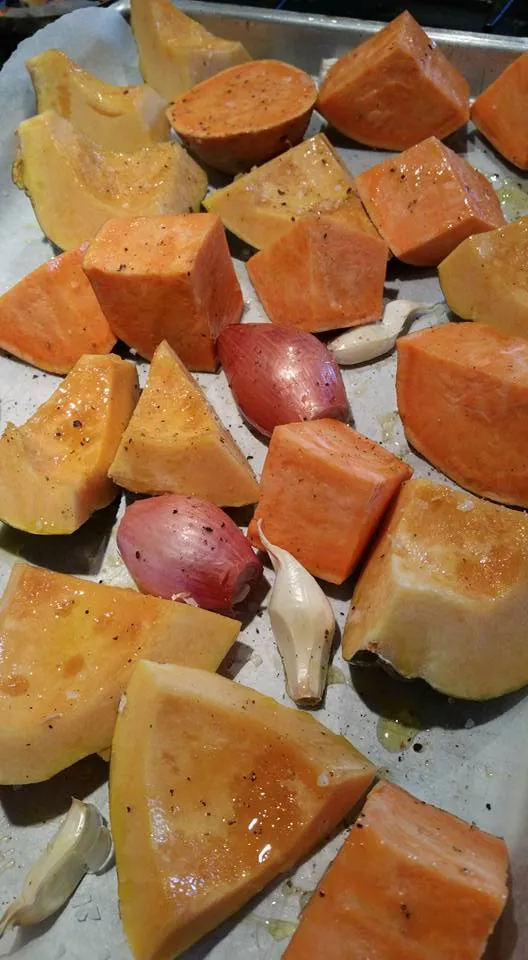
- Something roasted: a tray of roots, squash, onions and garlic; or a chicken; or a piece of pork shoulder if you are feeding a crowd.
- Something starchy: rice, barley, lentils, or a big pot of potatoes. Cook them plainly so they can go in different directions.
- Two flavour bases: a herby green sauce; a spiced tomato sauce; a leek and mustard mixture; a yoghurt and lemon dressing. These are what stop the week tasting beige.
- Something raw and crunchy: cabbage, carrots, apples, celery, herbs. Keep them separate and add at the end.
If you only do one thing, make it a flavour base. A jar of green sauce can improve a jacket potato, a piece of fish, a bowl of grains or a sandwich. It is the small effort that makes the rest feel like a meal.
A November shopping list with Essex in mind
In November, the Essex larder is generous if you know where to look. Farm shops and markets around Chelmsford, Colchester and Dedham are full of roots, leeks, cabbages and squash. Apples and pears are still good. If you are near the coast, fish is worth building a meal around. A pinch of Maldon salt is a local staple for a reason.
A practical basket might include: carrots, parsnips, celeriac, leeks, red cabbage, butternut squash, potatoes, onions, garlic, apples, a lemon, a bag of lentils or barley, and a jar of something sharp such as mustard or preserved lemon. Add a Tiptree preserve if you want a shortcut to a pudding or a glaze. You do not need a long list. You need a few things that work together.
The order of work
Oven on first. Roots and squash in with oil and salt. Chicken or a tray of vegetables alongside if you have room. Put a pot of grains or lentils on the hob. While those cook, make your sauces and prep your raw crunch.
When everything is cooked, cool it quickly. Spread hot food into shallow containers, leave the lids off until it has stopped steaming, and get it into the fridge within two hours. Do not put a huge pot of hot stew straight into the fridge; it will cool too slowly and make everything around it warm.
Label things. A freezer full of anonymous tubs is just a cold mystery. Write the date and what is inside. If you are freezing, portion in the sizes you will actually use. A big block of sauce is less useful than four small ones.
Storage and freezing notes
- Cooked meat and vegetables: fridge for up to three days. Reheat until piping hot.
- Cooked rice: cool quickly and keep in the fridge for no more than one day. Reheat thoroughly.
- Sauces and stews: fridge for three days, or freeze in portions for up to three months for best quality.
- Raw crunchy vegetables: keep separate in the fridge and add at the end.
- Herbs and green sauces: a squeeze of lemon or a little oil helps them keep. Freeze in ice-cube trays if you have more than you can use.
One pot, five dinners
Here is how a Sunday cook-up can remix itself without anyone feeling punished.
Monday: roasted squash, grains and green sauce, with a handful of cabbage. Simple, warm, quick.
Tuesday: chicken or bean broth with leeks and carrots. Use the cooking liquid, add a splash of stock, and finish with lemon.
Wednesday: a spiced tomato base with lentils and roast roots, piled on rice or flatbreads.
Thursday: a traybake. Toss leftover roast vegetables with a little sauce and cheese, or fold them into a frittata.
Friday: pasta or noodles with the remaining sauce, some raw crunch and whatever herbs are left.
None of these are complicated. That is the point. The cooking has already been done in the right places.
Why this builds confidence
Batch cooking is not really about containers. It is about understanding how food behaves. Once you know that a sauce can be frozen, that a grain can be cooked plainly and seasoned later, or that a roast vegetable can become a soup or a salad, you stop needing a recipe for every meal.
That is the kind of confidence we teach in our kitchen skills classes. Knife work, stock, sauces, timing: these are the quiet skills that make a Sunday cook-up feel easy rather than like a second job. You do not need to be a chef. You need a few reliable methods and permission to adapt.
Start with one pot, one tray and one sauce this Sunday. Next week, add another. By the end of the month, the fridge will be doing more of the work, and the sad Tupperware will be earning its keep.