The Essex November Larder: Oysters, Marsh Lamb and a Generous Table
November is one of those months that rewards a bit of restraint. The garden is winding down, the hedgerows are bare, and yet the Essex larder is still doing something rather special. Mersea oysters are at their briny best, salt-marsh lamb from the Dengie has a flavour that comes from those wide, windswept marshes, and the county's apples and roots are still stacked in boxes at markets from Colchester to Chelmsford. You do not need a complicated menu to make the most of it. You need a generous table, a hot oven, and a fishmonger or butcher you trust.
Start with the oysters
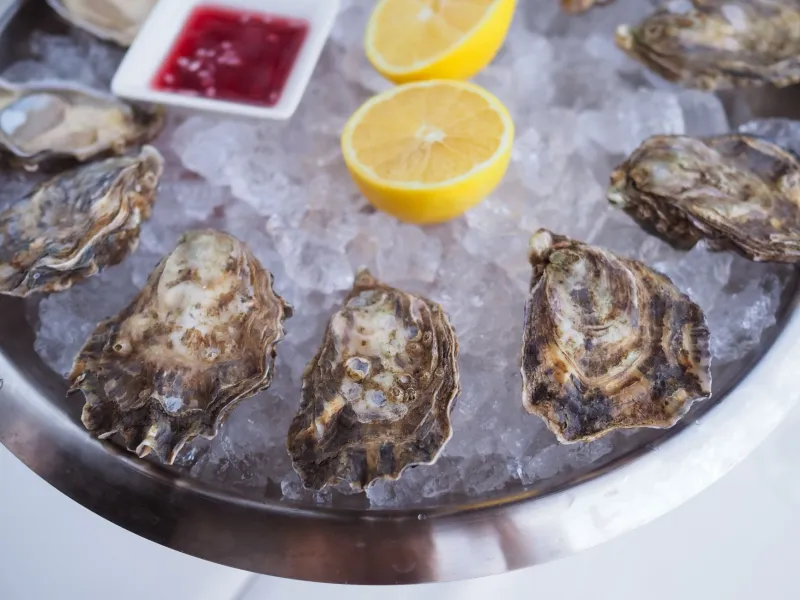
Mersea oysters are the obvious place to begin. The water around Mersea Island gives them a clean, savoury finish that sits somewhere between sea spray and hazelnut. When you buy them, ask where they were harvested and when. They should smell of the sea, not of fish, and the shells should be tightly closed. Keep them cold, covered with a damp cloth, and eat them within a day or two. If you are not confident shucking, ask your fishmonger to open them for you — there is no prize for doing it the hard way.
Mersea oysters with shallot vinegar
Serves 4 as a starter. 12 oysters, 1 banana shallot, 4 tbsp red wine vinegar, 1 tbsp sherry vinegar, a pinch of sugar, black pepper, lemon wedges. Finely chop the shallot and mix with the vinegars, sugar and pepper. Leave for 10 minutes. Open the oysters, loosen them in the shell, and spoon over a little shallot vinegar. Serve with lemon and nothing else.
Let the lamb do the work
Salt-marsh lamb from the Dengie is one of those ingredients that makes cooking feel easy. The sheep graze on samphire, sea lavender and salt-tolerant grasses, and the meat has a gentle, savoury sweetness. It is not cheap, but a shoulder goes a long way. Ask your butcher for a bone-in shoulder, or a rolled one if you want an easier carve. Slow roasting is the kindest approach: it gives the fat time to render and the meat time to relax.
Slow-roasted salt-marsh lamb with cider and roots
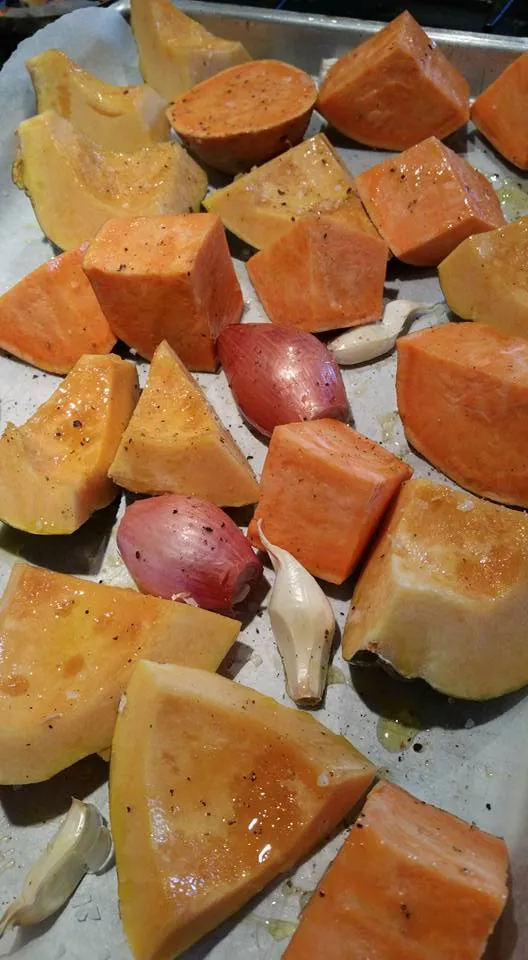
Serves 6. 1.5kg bone-in lamb shoulder, 2 onions, 3 carrots, 2 parsnips, 500ml dry cider, 2 bay leaves, a few sprigs of thyme, 1 tbsp rapeseed oil, salt and pepper. Heat the oven to 160C fan/180C conventional. Chop the vegetables into rough chunks and put them in a roasting tin. Rub the lamb with oil, salt and pepper, sit it on top, and pour in the cider. Add the herbs, cover tightly with foil and roast for 3 hours. Remove the foil, turn the heat to 200C fan/220C conventional, and roast for 25-30 minutes until the skin is browned. Rest for 20 minutes before carving. Serve with the vegetables and the pan juices.
Cabbage, apples and a bit of crunch
Essex apples are still good in November, especially the later varieties. Look for firm, fragrant fruit at farmers' markets and farm shops. Cabbage is equally reliable: hispi, January king or a good white cabbage will all work. The trick is to cook it hard and fast so it keeps its sweetness and gets a little char. This is the sort of side dish that quietly becomes the best thing on the plate.
If game is more your thing, November is prime time for pheasant and partridge. Ask your butcher whether it is hung and plucked, and keep it simple: pot-roast with cider and bacon, or roast quickly and serve with the same roots. It is lean, so watch it closely.
Charred cabbage with apple and hazelnuts
Serves 4. Half a hispi or small white cabbage, 1 crisp apple, 50g hazelnuts, 2 tbsp olive oil, 1 tbsp cider vinegar, 1 tsp Dijon mustard, salt and pepper. Heat the oven to 220C fan/240C conventional. Cut the cabbage into thick wedges, rub with oil and season. Roast for 15-20 minutes until the edges are dark and crisp. Toast the hazelnuts, crush them roughly, and core and slice the apple. Whisk the vinegar, mustard and remaining oil. Put the cabbage on a plate, scatter over the apple and hazelnuts, and spoon over the dressing.
Build the table, not the menu
The easiest November table is not a three-course production. Put the oysters out first with bread and butter. Bring the lamb to the table with the roots and a bowl of something sharp — pickled walnuts, a mustardy dressing, or simply lemon. Add the cabbage, a wedge of local cheese, and a baked apple or two if you have room. Cookery-school tip: write a short list and stick to it. Buy fewer things, but buy them well. Prep what you can in the morning. And do not apologise for a simple table; November is not the month for fuss.