Your Roasting Tin Is Too Full: Hard Truths About Better Vegetables
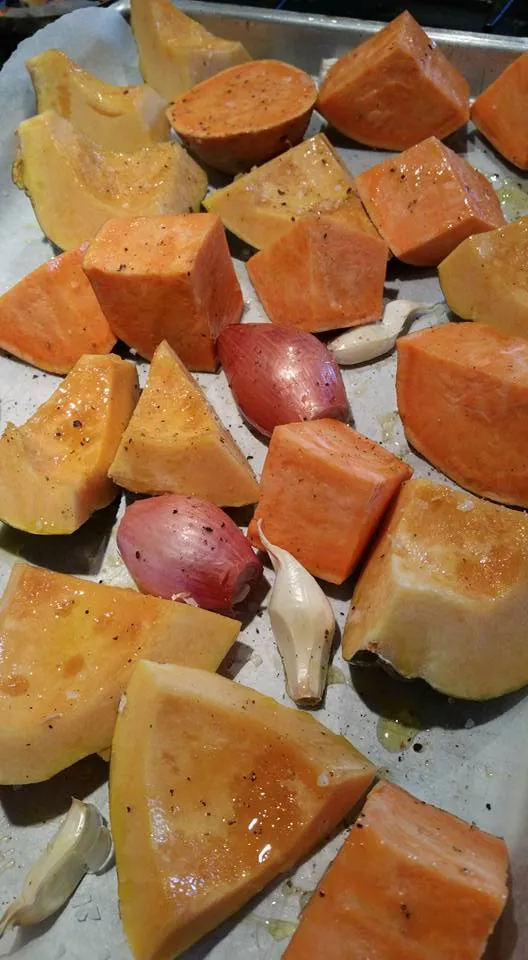
Photo: terri_bateman, CC0, via Wikimedia Commons
Every autumn, our cookery school kitchen gets the same question: why do my roast vegetables come out pale and soft when yours are crisp and caramelised? The answer is rarely the vegetable. It is almost always the tin. We crowd it, we start it cold, we season it as if salt is expensive, and then we blame the parsnip. Here is the firm but friendly case for giving your roots a bit of room.
The crowded tin is the real culprit
When vegetables are piled together, they steam. That is not an opinion; it is basic kitchen physics. Every vegetable carries water, and when it hits heat, that water turns to steam. If the pieces are touching and stacked, the steam gets trapped, the surface stays damp, and the oven temperature around the food drops. You end up with vegetables that have been gently boiled in their own juices. They may be cooked, but they will not be roasted.
Roasting needs contact with hot metal and hot air. It needs surface dryness. It needs space. Use one layer, with a little gap between the pieces. If that means using two tins, use two tins. If it means roasting in batches, roast in batches. A crowded tin is a steamer with delusions.
Preheat the oven — and the tin
A cold oven gives vegetables a slow, lukewarm start. They release water before they have a chance to brown, and by the time the oven is properly hot, the damage is done. For roots, preheat to 200C fan/220C conventional. Then put the empty roasting tin in for five to ten minutes before you add the oil and vegetables. You want a proper sizzle when the vegetables hit the tin. No sizzle means no hurry — wait a bit longer.
This matters because browning is not just about colour. The Maillard reaction and caramelisation need heat and a relatively dry surface. Steam keeps the surface close to 100C, which is fine for softening but useless for crisp edges. A hot tin and a hot oven get you past that soggy stage much faster.
Dry, oiled, seasoned — in that order
Wet vegetables steam. That sounds obvious, but a lot of us wash roots and send them straight to the tin. Dry them properly with a clean tea towel. Then use enough oil to coat every piece, not so much that they swim. Rapeseed oil, olive oil or a mixture of oil and a little butter all work well.
Season before roasting, not just after. Salt draws out moisture and seasons the flesh; pepper adds warmth. Be generous. A shy pinch is not enough for a whole tray. Finish with flaky salt and a squeeze of lemon or a splash of vinegar at the end, once the vegetables are out of the oven. Acid wakes everything up.
Size and timing matter
Cut vegetables into even pieces, roughly 2-3cm for most roots. Too small and they burn before they soften; too large and they stay raw in the middle. Dense vegetables such as swede and beetroot need a little more time than carrots or parsnips. If you are mixing them, either cut the dense ones smaller or add them to the tin first.
A seasonal root roast that proves the point
This is our house method for a mixed tray of November roots. It is not a recipe so much as a template.
Ingredients: 800g mixed roots — carrots, parsnips, swede, beetroot and potatoes — cut into 2-3cm pieces; 3 tbsp rapeseed or olive oil; 1 tsp fine salt; black pepper; a few sprigs of rosemary or thyme; 3 unpeeled garlic cloves.
Method: Heat the oven to 200C fan/220C conventional with a large roasting tin inside. Toss the vegetables with the oil, salt and pepper. Carefully add them to the hot tin in a single layer, add the herbs and garlic, and roast for 30-45 minutes, turning once halfway through. The exact time depends on the mix.
Rough guide: carrots and parsnips, 30-35 minutes; swede and turnip, 40-45 minutes; beetroot wedges, 40-50 minutes; potatoes, 45-50 minutes. Always judge by colour and texture rather than the clock.
The rules, condensed
- Preheat the oven and the tin.
- Use one layer and give the vegetables room.
- Dry them before they go in.
- Oil and salt properly before roasting.
- Cut evenly, and stagger dense vegetables if needed.
- Finish with acid and a little flaky salt.
None of this is complicated. It is just a bit more deliberate than tipping a bag of roots into a cold tin and hoping. Give your vegetables some space, some heat and some confidence, and they will repay you with the crisp, sweet edges that make a November traybake worth waiting for.