The Sunday Morning Pudding That Makes December Easier

Stir-Up Sunday has a reputation problem. It sounds like something requiring a grandmother, a special basin and a free afternoon. In practice, it is one of the most useful mornings in the Christmas calendar: you make a pudding once, steam it, put it away, and December gets a little lighter. In 2026 Stir-Up Sunday falls on 22 November, the Sunday before Advent. That is your date, if you want one.
The name comes from the old collect for the day: ‘Stir up, we beseech thee, O Lord, the wills of thy faithful people.’ Churchgoers heard it and went home to stir the Christmas pudding. The ritual stuck: everyone in the house gives the mixture a turn and makes a wish. You do not need to believe in the wish to enjoy the stirring. It is a good excuse to get flour on a Sunday morning and to make something that improves with time. In an Essex kitchen, with the radio on and a pot of tea going, it is a genuinely nice way to spend a few hours.
Why make one when the shops are full of them?
Shop-bought puddings are perfectly good. This is not a campaign against them. But homemade gives you control. You can make it less sweet, boozier, heavier on peel, lighter on spice, or small enough for two. You can use vegetarian suet. You can leave out the nuts. You can make it in a basin you already own and give it away wrapped in parchment. And you get a kitchen that smells like Christmas in November, which is worth something.
It is also a sensible batch-cook. One morning produces a pudding that sits quietly until Christmas Day. Reheating takes two hours. That is a better deal than most festive cooking tasks.
What you need
A 1.2-litre pudding basin is the usual size and serves eight generously. You will also need baking parchment, foil, string, a large lidded pan and a trivet or upturned saucer. No special steamer required.
For the pudding:
- 175g currants
- 175g raisins
- 100g sultanas
- 50g mixed peel
- 1 small cooking apple, grated
- Zest of 1 orange and 1 lemon
- 100ml stout or dark ale
- 100ml brandy or rum, plus extra for feeding
- 2 eggs
- 100g dark brown sugar
- 100g vegetarian suet
- 100g fresh breadcrumbs
- 75g plain flour
- 1 tsp mixed spice
- ½ tsp ground cinnamon
- Pinch of salt
- 50g blanched almonds, chopped (optional)
Sensible shortcuts: use a bag of ready-mixed dried fruit, blitz stale bread into crumbs, and buy mixed peel rather than chopping your own. If you have forgotten to soak the fruit overnight, warm the stout and brandy, pour it over the fruit and leave it for 20 minutes while you get everything else out. It will not be identical to an overnight soak, but it gets you to the pudding.
The method
- Put the dried fruit, peel, grated apple, zest, stout and brandy in a large bowl. Stir, cover and leave overnight if you can. If not, use the warm-liquid shortcut above.
- In another large bowl, beat the eggs and sugar until combined. Add the suet, breadcrumbs, flour, spices, salt and almonds, if using. Mix well.
- Tip in the fruit mixture and stir until evenly combined. The mixture should be soft and dropping. If it feels stiff, add a splash of milk.
- Grease the basin and line the base with a circle of parchment. Spoon in the mixture and smooth the top. Cover with a pleated layer of parchment and a pleated layer of foil. Tie string around the rim to secure it, and make a handle with another piece of string so you can lift the basin out.
- Put the trivet in the pan and set the basin on it. Pour in boiling water until it comes halfway up the side of the basin. Cover the pan and bring to a gentle simmer. Steam for 6 hours, topping up with boiling water every hour or so. Do not let the pan boil dry.
- Lift the basin out and leave it to cool completely. Do not unwrap it while it is hot.
Steaming and storing without the wobble
The main risk with steamed pudding is not difficulty; it is impatience. Keep the water at a simmer, not a rolling boil, and check the level regularly. If you need to top up, use boiling water from the kettle so the cooking does not stall. A heatproof jug helps.
Once the pudding is cool, leave it wrapped, then overwrap in foil or put it in an airtight container. Store it in a cool, dark cupboard. If you want to feed it, unpick the wrapping once a week, spoon over a tablespoon or two of brandy, and rewrap. You do not have to feed it. A pudding made in November will be plenty mature by Christmas.
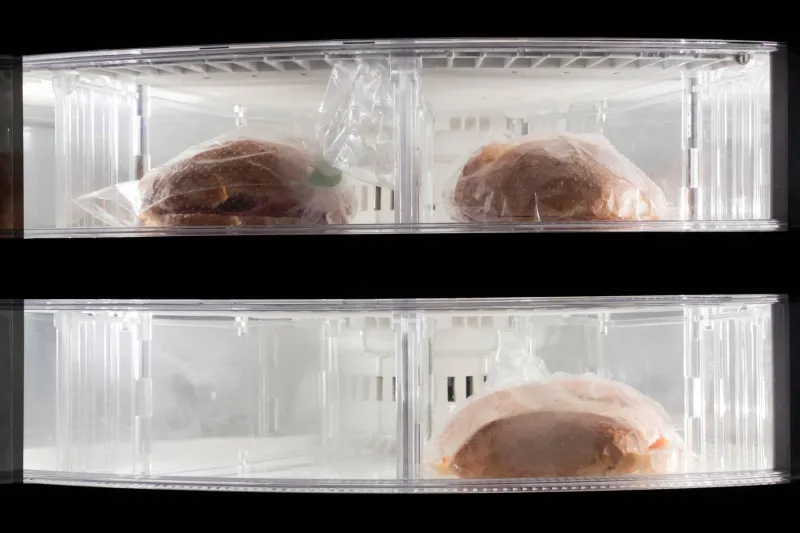
You can freeze the cooled, wrapped pudding for up to three months. Defrost overnight in the fridge before reheating. On the day, steam it again for 2 hours, or until piping hot all the way through. If you are short on hob space, slices can be reheated in the microwave, but the whole pudding will be better steamed.
A tasting flight for a festive class
If you are teaching or attending a festive cookery class, a pudding tasting flight is a low-effort, high-conversation activity. Warm small portions of three puddings: one homemade and matured, one homemade and freshly steamed, and one good shop-bought. Serve them with brandy butter, custard and a little clotted cream. Ask people to score fruitiness, spice, sweetness and texture. The point is not to crown a winner. It is to notice how much a pudding changes with time, and how much of that you can control in your own kitchen.
That is the case for Stir-Up Sunday, really. Not heritage for its own sake, but a quiet morning that pays you back in December. Make one pudding. Wrap it well. Forget about it. Then steam it again on Christmas Day and be glad you did.