The Cold Shelf Countdown: What to Batch-Cook in November for an Easier Christmas
There are 47 days between 8 November and Christmas Day, which sounds like plenty until you remember that December is basically a series of small emergencies with tinsel on top. The freezer is the calmest helper in the kitchen. It does not need entertaining, it does not ask what time dinner is, and it will happily hold the foundations of Christmas while you get on with ordinary life.
The idea here is not to spend every evening in November cooking. It is to make a few sensible batches, label them properly, and build a cold shelf that makes December feel less like a scramble. Small kitchens in Chelmsford, Colchester or Southend do not need a chest freezer to make this work. They need a plan, a marker pen and a bit of restraint.
Start with the shelf, not the recipe
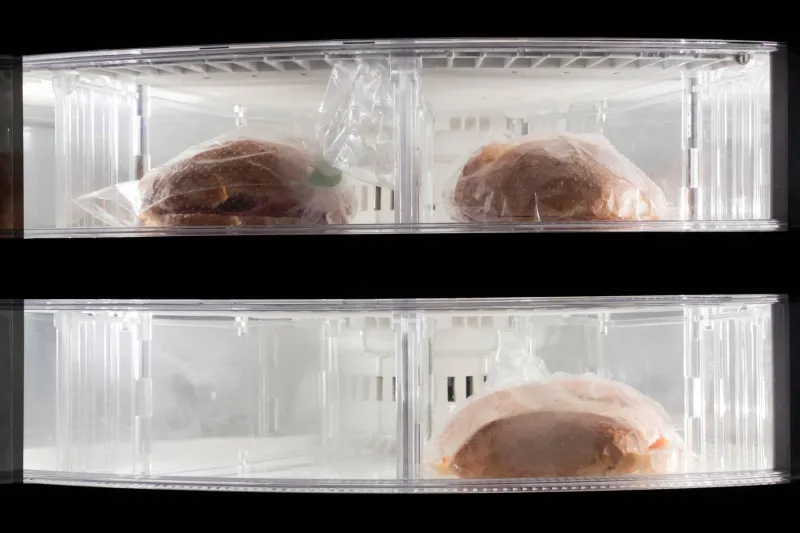
Before you cook anything, clear one shelf and look at what you have actually got. A shelf map taped inside the freezer door sounds fussy; it is also the difference between finding the gravy on Christmas Eve and discovering a mystery bag of something brown from October. Write down the shelves, or take a photo on your phone. Keep like with like: sauces on one side, pastry on the other, sides in a stack.
If space is tight, think flat. Freeze sauces and gravy in bags laid on a tray, then stack the bags like files once solid. Use small containers rather than huge ones, because a big tub of stuffing takes hours to thaw and hogs a shelf. Ice cube trays are useful for stock, gravy and small portions of sauce. Once frozen, tip the cubes into a labelled bag.
Week one: sauces and gravy
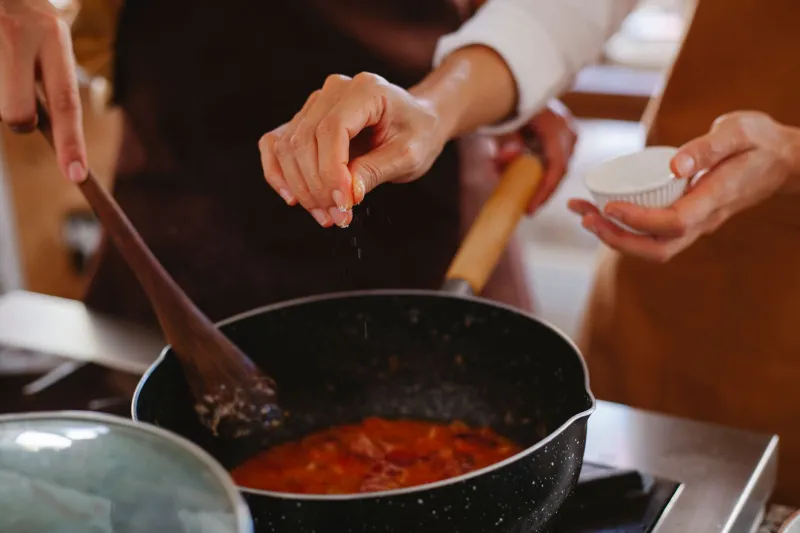
In the week beginning 9 November, make the things that quietly hold Christmas together. Onion gravy, bread sauce, cranberry sauce and a batch of braised red cabbage all freeze well. Gravy is easiest frozen in small portions; you can always add another cube. Bread sauce freezes better than people expect, though it may need a good stir and a splash of milk when reheated. Cranberry sauce can go in too, though it may loosen slightly after thawing.
Cool everything quickly, portion it, and label with the name and date. A roll of masking tape and a permanent marker is plenty. You do not need a special freezer journal unless that is your idea of a good time.
Week two: stuffing and crumbs
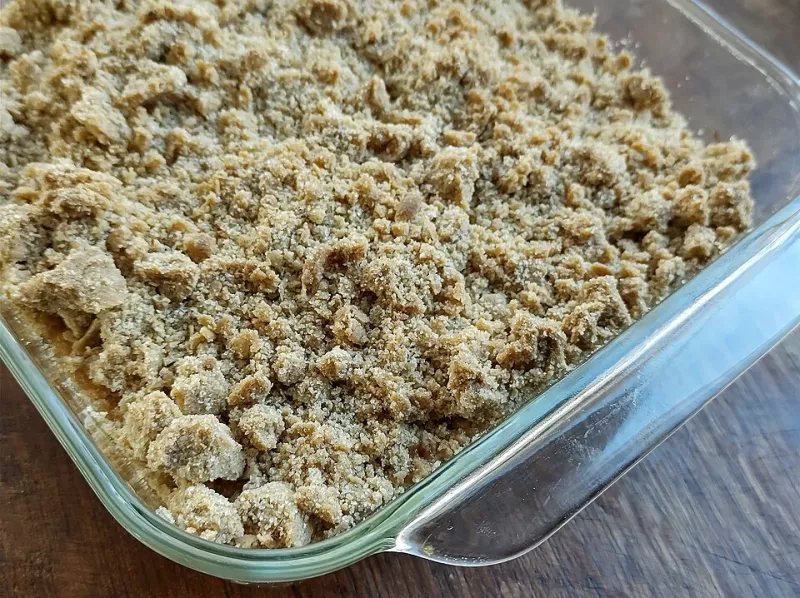
The week beginning 16 November is for stuffing and breadcrumbs. Make sage and onion stuffing, sausage meat stuffing or a chestnut version, then cook it before freezing. Cooked stuffing balls freeze well and reheat reliably, which is more than can be said for a raw mixture you forgot to thaw. Freeze them first on a tray, then bag them so they do not weld into one lump.
While the oven is on, blitz stale bread into crumbs and freeze them in small bags. They are useful for toppings, treacle tart, fishcakes and the inevitable moment when someone decides there should be more stuffing. This is also a good week to make a batch of cranberry and port sauce if you did not do it already. Two sauce jobs in one evening is not heroic; it is just efficient.
Week three: pastry
The week beginning 23 November belongs to pastry. Make a batch of shortcrust, wrap it in discs, and freeze it flat. Discs thaw faster than a big block and are easier to roll. If you are making mince pies, you can assemble them unbaked and freeze them on trays, then bag them once firm. Brush with egg and bake from frozen, allowing a few extra minutes. The same trick works for small tart cases, though they need careful packing.
Pastry is one of those things that feels much easier when it is already made. On a dark December evening, a disc of frozen pastry is a promise that pudding is still possible.
Week four: sides and the final audit
In the week beginning 30 November, turn to sides. Parboil potatoes, toss them in fat, freeze them flat and roast from frozen. Make braised red cabbage, portion it and freeze. You can also freeze cauliflower cheese, mashed potato and small bags of bread sauce. Keep Brussels sprouts for fresh cooking; they are better that way.
Then do a five-minute audit. Count what you have, check dates, and move older items to the front. Leave a little empty space for the things you will inevitably add in December. A freezer packed to the door cannot freeze anything quickly, and slow freezing makes for soggier results.
Label and reheat chart
| Item | Freeze up to | Reheat |
|---|---|---|
| Onion gravy | 3 months | Defrost overnight, heat until piping hot, whisk in a splash of water if thick |
| Bread sauce | 1 month | Defrost overnight, reheat gently with milk, stir well |
| Cooked stuffing balls | 2 months | Defrost overnight, reheat in a covered dish until piping hot |
| Unbaked mince pies | 2 months | Bake from frozen at usual temperature, add 5 to 8 minutes |
| Parboiled roast potatoes | 3 months | Roast from frozen in hot fat, turn once |
| Braised red cabbage | 3 months | Defrost overnight, reheat until piping hot |
| Shortcrust pastry discs | 3 months | Thaw in the fridge, then roll |
| Breadcrumbs | 3 months | Use from frozen in cooked dishes |
Do not refreeze anything that has already been thawed. Reheat leftovers once, until piping hot, and let common sense have the final word.
The point is not perfection
A freezer plan is not a test of organisation. If you only make gravy and stuffing, that is still two jobs done before December. If you forget to label something, you will probably recognise it by shape. If you run out of space, stop. The aim is a calmer Christmas, not a perfectly curated cold shelf.
Some things are better fresh: a tomato salad, a crisp roast potato, a mince pie straight from the oven. The freezer is there to carry the foundations, not to do the whole meal. Make a start this week, keep the batches small, and let November do a little quiet work for December.