Cold-Hands Baking: A November Guide to British Apples and Pears
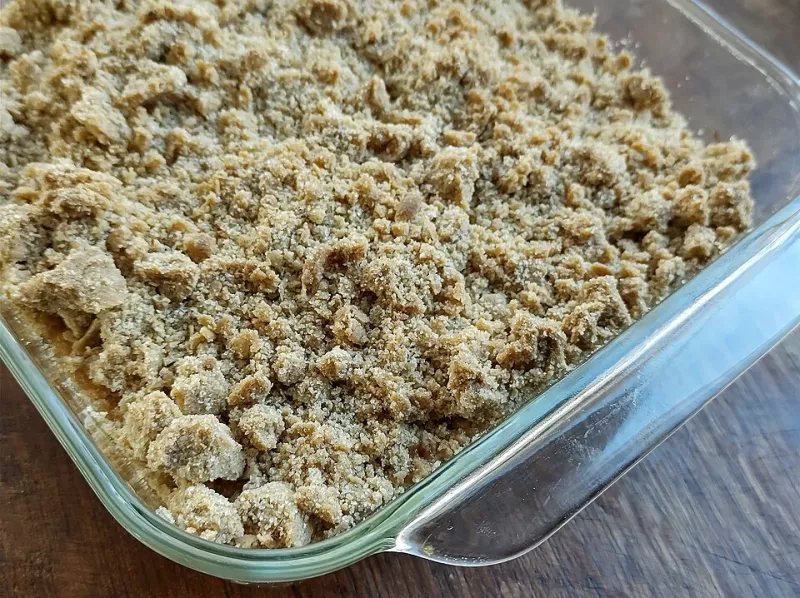
Photo: Jonathan Harker, CC BY 4.0, via Wikimedia Commons
There is a point in November when the orchard work changes character. The last pickers have gone, the grass is wet through, and the fruit that remains is cool to the touch. Apples and pears keep well, which is why they are still with us when the soft fruit is a memory. This is the season for baking that relies on fruit with backbone: crumbles, pies, sauces and chutneys.
In Essex we are lucky to have orchard history on our doorstep. The county once sent fruit into London by the cartload, and old varieties still turn up at farm shops and farmers' markets. D'Arcy Spice, raised at Tolleshunt D'Arcy, is a proper Essex apple with a warm, spicy flavour that belongs in a chutney or a baked apple. Not every shop will stock it, but ask. The person behind the stall usually knows what was picked last week and what will keep until Christmas.
Why late fruit is worth seeking out
Imported apples are bred for travel. Local late varieties are bred for flavour and storage, which makes them ideal for cooking. They also arrive with less food mileage and more character. A Bramley from a Kent or Essex orchard will collapse into a sharp, fluffy sauce; a uniform imported apple may hold its shape but taste of very little.
The trick is to choose fruit by job, not by appearance. A perfect eating apple is not always the best pie apple, and a pear that is ready to eat on Tuesday may be too soft for a cake by Friday.
A short variety guide
- Bramley: large, sharp and generous. Collapses beautifully for pies, sauce and crumble. Mix with a sweeter apple if you do not want your teeth set on edge.
- Cox's Orange Pippin: aromatic and firm, with a good balance of sweet and sharp. Excellent in tarte tatin, crumble or a simple apple cake. Can be dry, so pair it with Bramley.
- Egremont Russet: nutty, dense and russeted. Eat it with cheese, bake it in a tart, or fold it into a crumble for extra depth.
- D'Arcy Spice: the Essex classic. Spicy, aromatic and a good keeper. Use it for chutney, mincemeat, baked apples and anything that benefits from a little warmth.
- Ashmead's Kernel: intense and russeted, with a sharp kick. Good for eating, cider and chutney.
- Sturmer Pippin: firm, acidic and late. A reliable pie apple and a good keeper if you have a cool shed or garage.
- Conference pears: the everyday hero. Poach, bake or slice into a crumble. They need ripening at room temperature before use.
- Comice pears: softer, sweeter and best eaten raw or poached gently. Do not ask them to hold their shape in a pie.
- Concorde pears: firm and sweet, good for poaching and baking. Treat them like Conference with better manners.
Choosing fruit at the market
Pick up the apple. It should feel heavy for its size, with tight skin and no soft brown patches. A little scuffing is fine for cooking. Smell it: a good Cox or D'Arcy Spice should have something to say for itself. For pears, check the neck near the stem. If it gives slightly, the pear is close to ripe. If it is rock hard, it will need a few days in a fruit bowl.
Ask when the fruit was picked. Late apples may have been in store for a few weeks already, which is normal. Bruised fruit is fine for chutney or sauce, but use it first.
Storage at home
Apples and pears like cool, dark, ventilated conditions. A single layer in a wooden crate in a garage or shed is ideal. Do not pile them in a plastic bag, where they will sweat and rot. Keep them away from onions and potatoes, and check them weekly. One bad apple really does spoil the bunch, or at least the crate.
Pears ripen faster than apples. Leave them at room temperature until they give slightly, then move them to the fridge if you are not using them straight away. Do not wash fruit until you are ready to cook with it.
Two forgiving bakes
Any-Apple Crumble
This is the bake to make when the weather has turned and you want something warm without a fuss. Serves six.
For the fruit: 1kg mixed apples, peeled, cored and cut into chunks; 50g light brown sugar; 1 tsp ground cinnamon; a squeeze of lemon juice.
For the topping: 150g plain flour; 75g cold butter, cubed; 50g porridge oats; 50g demerara sugar; a pinch of salt.
Heat the oven to 180C fan or 200C conventional. Toss the apples with the sugar, cinnamon and lemon juice and tip into a baking dish. Rub the flour and butter together with your fingertips until it looks like rough breadcrumbs, then stir in the oats, demerara and salt. Scatter over the fruit and bake for 35 to 45 minutes, until the juices bubble at the edges and the top is golden. Rest for ten minutes before serving. It is forgiving enough to take an extra handful of oats or a few soft pears.
One-Bowl Pear and Almond Cake
A tender, damp cake that suits a cup of tea and a cold afternoon. Serves eight.
You need: 150g softened butter; 150g caster sugar; 3 eggs; 100g ground almonds; 100g self-raising flour; 1 tsp baking powder; 2 ripe but firm Conference pears, peeled, cored and sliced; 1 tbsp demerara sugar; a small handful of flaked almonds.
Heat the oven to 170C fan or 190C conventional and line a 20cm round tin. Beat the butter and sugar until pale, then add the eggs one at a time. Fold in the ground almonds, flour and baking powder. Spoon half the mixture into the tin, arrange most of the pear slices on top, then cover with the rest of the batter. Finish with the remaining pear, the demerara and the flaked almonds. Bake for 45 to 55 minutes, until a skewer comes out clean. Cool in the tin for ten minutes before turning out.
If your pears are hard, poach the slices in a little water and sugar for five minutes before using them. The cake will still forgive you.
November baking is not about perfection. It is about using what the orchard has given us, keeping the kitchen warm and making the house smell of butter and fruit. Cold hands, warm oven: that is the deal.