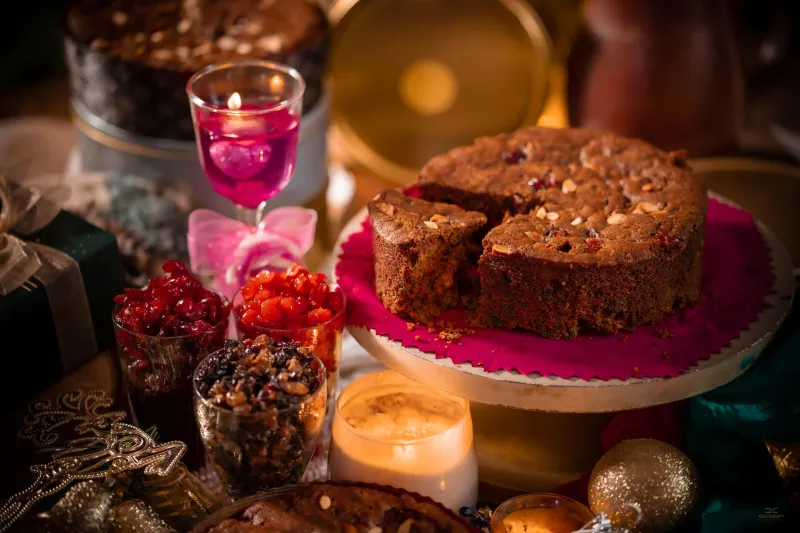
The Forgiving Christmas Pudding: Stir-Up Sunday for Real Kitchens

Photo: Francis Clemens, CC BY-SA 4.0, via Wikimedia Commons
A very good Sunday to make a pudding
Stir-Up Sunday 2026 lands on 22 November. It is the Sunday before Advent, the traditional moment when British kitchens start steeping dried fruit, suet and spice into the thing we will eventually set alight with great ceremony on Christmas Day.
The tradition is simple enough: everyone in the house takes a turn stirring the mixture and makes a wish. In practice, of course, it can go one of two ways. Either you get a lovely shared moment, or you get flour on the ceiling and a small person asking why the pudding smells like a cupboard.
This recipe is for the second scenario. It is forgiving, robust and designed to survive helping hands, a chilly kitchen and the sort of Sunday when nobody has quite got their act together.
Why this pudding works for families
Christmas pudding is one of the few festive recipes that genuinely improves with age. You are not looking for a delicate crumb or a precise rise. You are looking for a dark, dense, fruity pudding that steams quietly for hours and then sits in a cool cupboard until needed.
That makes it excellent for cooking with children. There is weighing, tipping, stirring and wishing. There is no tricky pastry, no tempering and no moment where everything collapses if you look at it wrongly. A cold kitchen is not the enemy either, because this is a suet pudding rather than a creamed cake. Bring the eggs to room temperature if you remember, but do not panic if you forget.
The recipe: one 1.2-litre pudding
This makes a generous pudding for 8 to 10 people, with enough left for the traditional Christmas Eve nibble. You will need a 1.2-litre pudding basin, baking parchment, foil and string.
Ingredients
- 100g plain flour
- 1 tsp mixed spice
- 1/2 tsp ground cinnamon
- 1/4 tsp freshly grated nutmeg
- 1/2 tsp fine salt
- 150g shredded suet, beef or vegetarian
- 100g fresh white breadcrumbs
- 100g dark muscovado sugar
- 150g raisins
- 150g sultanas
- 100g currants
- 50g candied peel, chopped small
- 1 small Bramley apple, peeled and grated
- Zest of 1 orange and 1 lemon
- 2 large eggs
- 100ml stout or dark beer, or orange juice if you prefer
- 50ml brandy or rum, optional; use orange juice for an alcohol-free version
- A little extra butter for greasing
Method
Butter the pudding basin thoroughly. Cut a disc of baking parchment to fit the base, butter that too, and press it in. Cut a second, larger disc of parchment for the top, plus a square of foil with a pleat folded down the middle so it can expand as the pudding steams.
In a very large bowl, combine the flour, spices, salt, suet, breadcrumbs, sugar, dried fruit, peel, orange zest and lemon zest. Add the grated apple and give everything a good mix with your hands or a wooden spoon. This is a good job for children who have clean hands and a willingness to get sticky.
Beat the eggs in a jug with the stout and brandy, if using. Pour that into the dry mixture and stir until everything comes together. The mixture should be soft and spoonable, but not sloppy. If it feels stiff, add a splash of milk or orange juice. If it looks wet, add a spoonful of breadcrumbs.
Now the important part: everyone stirs and makes a wish. Give each person a turn with the wooden spoon, holding the bowl steady for smaller children. Skip the traditional coin unless you are certain it will be found; a wish is safer and just as good.
Spoon the mixture into the prepared basin and level the top. Cover with the parchment disc, then the pleated foil. Tie string firmly around the rim, and make a string handle across the top so you can lift the basin out of the pan later.
Steaming without special kit
You do not need a dedicated pudding steamer. Find a large, deep saucepan with a lid and put an upturned saucer or a small metal trivet in the base. Sit the basin on top. Pour boiling water into the pan until it comes about halfway up the side of the basin. Bring it back to a gentle simmer, put the lid on and leave it alone for 6 hours.
Check every hour or so and top up with boiling water as needed. Do not let the pan boil dry, and do not be tempted to lift the lid too often. A slow cooker also works well if the basin fits: sit it on a trivet or folded tea towel, add hot water halfway up, and cook on low for 8 to 10 hours.
When the pudding is done, lift it out carefully and leave it to cool completely in the basin. It will firm up as it cools.
Storing and feeding before Christmas
Once cold, remove the foil and parchment, wrap the pudding in fresh parchment and then foil, and store it in a cool, dark cupboard. If you are feeding it with brandy or rum, spoon over 1 to 2 tablespoons once a week, rewrap and put it back. If you are using orange juice instead, keep the pudding in the fridge and eat it within two weeks.
On Christmas Day, steam the pudding again for 2 hours, or until piping hot all the way through. Serve with custard, cream or brandy butter, and perhaps a little too much of all three.
Making the ritual fit real life
If 22 November is impossible, make the pudding on the following weekend. It will still be very good. The tradition is worth keeping, but it is not a military operation.
For busy families, split the job across two days: weigh the dry ingredients on Saturday, then steam on Sunday. Let children own small tasks such as greasing the basin, tipping fruit into the bowl or holding the string while you tie it. Put the bowl on a tray, accept that some flour will escape, and remember that the pudding is meant to look rustic.
At Essex Cookery School, this is the sort of recipe that works beautifully as a shared session: one person weighs, one stirs, one keeps an eye on the steamer. If you would rather make it with company, look out for our seasonal pudding sessions, or use this recipe as the template for a family afternoon. Either way, the pudding will forgive you. That is rather the point of it.