The Warmest Room Wins: Rethinking Where Christmas Dinner Actually Happens

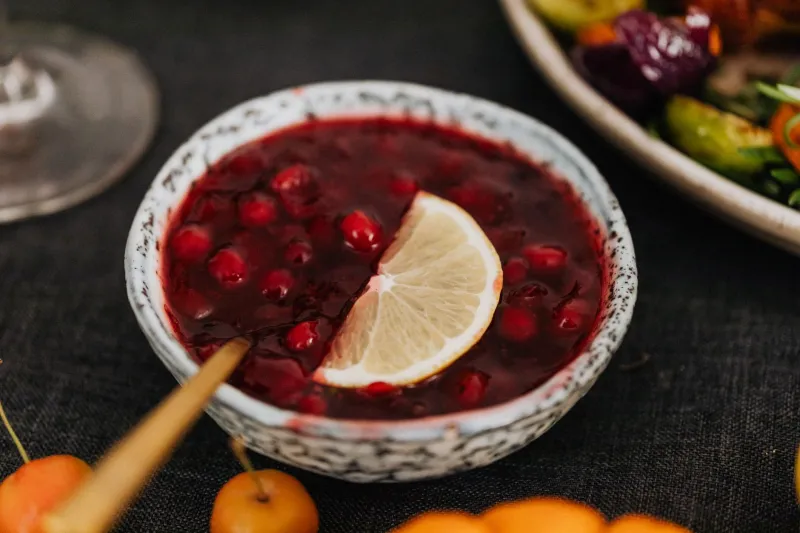
Photo: David Lienemann, Public domain, via Wikimedia Commons
There is a moment, somewhere between the second tray of roast potatoes and the search for the good corkscrew, when the dining room stops being a room and becomes a stage set. The table is polished. The chairs are matched. Someone has laid a cloth that cannot be washed at sixty degrees. And the cook — the person who has spent three days thinking about parsnips — is marooned in the kitchen, listening to the good conversation through a serving hatch.
This Christmas, I would like to make a quiet case for mutiny. Not against turkey, or tradition, or the good plates. Against the idea that Christmas dinner has to happen in the best room. In most Essex homes, the best room is the kitchen. It is warm, it smells of something promising, and it has a table that has already proved it can take a crowd. Why exile the cook from the party?
The dining room is for dusting
I say this with affection. A dining room is a lovely thing to have. It is also, for eleven months of the year, a place where the ironing board goes to think. Dragging it into service on Christmas Day means heating a room nobody sits in, moving furniture nobody uses, and creating a formality that nobody actually asked for. The result is often a meal that looks impressive in photographs and feels slightly stiff in real life.
The kitchen table tells a different story. It is where the children do their homework, where the bills get opened, where somebody always leaves a mug. It is already the centre of gravity. On Christmas Day, that is exactly what you want: a table with a bit of history, a chair for the neighbour who popped in, and a cook who can reach the gravy without leaving the room.
At Essex Cookery School, we are fond of saying that good cooking is mostly about removing obstacles. The kitchen table removes several at once. It shortens the distance between oven and plate. It keeps the person carving within reach of the person who wants to ask a question. It means the cook can sit down for pudding without missing the punchline.
A menu that moves, not a menu that performs
The practical objection is always the same: where does everything go? The answer is to plan a menu that behaves itself. Christmas dinner at the kitchen table works best when it is built around one centrepiece, two or three generous sides, a jug of gravy, and a pudding that can be made ahead. Think of it as a very good Sunday lunch with tinsel, not a diplomatic banquet.
A workable plan for 2026 might look like this:
- The centrepiece: a slow-roasted shoulder of pork or a brined turkey crown, cooked early and rested under foil. Both carve easily and do not demand last-minute attention.
- The potatoes: parboiled, shaken in the pan, and roasted in a generous slick of oil. Do them in two batches so the second arrives hot while the first is still being passed around.
- The vegetables: buttered carrots with a little Marmite if you are feeling brave, and a dish of red cabbage cooked days before and reheated. Sprout tops, if you can get them, are a treat.
- The gravy: made in advance from the roasting juices and a splash of something local. Keep it in a jug in a pan of hot water.
- The pudding: a mincemeat crumble or a Christmas pudding you steamed last week. Serve with cold cream and no ceremony.
The point is not to be casual about cooking. It is to be casual about serving. A kitchen-table Christmas works when the food is robust enough to sit in dishes, be passed around, and come back for seconds without collapsing.
Layout ideas for a kitchen that has to work
A kitchen table Christmas is not an excuse to cram everyone in like sprats. A little planning goes a long way.
Clear the runway. Move the table away from the oven door and the fridge. You need a clear path between the hob, the sink, and the table. If that means pushing the table against a wall and seating people on one side, so be it. Nobody has ever complained about a bench.
Create a landing zone. Find a spare surface — a sideboard, a trolley, even a sturdy board over a radiator — for plates, cutlery, crackers, and drinks. Keep it away from the cooking zone. This is where guests can help themselves without getting under your feet.
Borrow chairs. Mismatched chairs are not a problem. They are a conversation starter. If you are short, ask people to bring one. In Essex, nobody minds.
Set up a drinks station elsewhere. Put the bottles, glasses, and a bin for empties in the hallway or on a side table in the sitting room. It keeps the kitchen from becoming a pub.
Label the hot things. A strip of masking tape and a pen is enough. Write 'hot' on the roasting tin and 'very hot' on the gravy jug. It sounds fussy. It is not. It is kind.
Help yourself is not the same as fend for yourself
There is a line between hospitable informality and a free-for-all, and it is worth drawing before the first guest arrives. A kitchen-table Christmas should feel generous, not chaotic. That means someone still needs to carve, someone still needs to pour, and someone still needs to say, 'Sit down, the food is ready.'
Give people jobs. Ask one person to take charge of drinks, another to keep an eye on the oven, another to make sure the children have something on their plates that is not just Yorkshire pudding. Let guests help themselves to vegetables, but serve the meat yourself. Keep the gravy in a jug, not a lake. And sit down. Actually sit down. The cook at the kitchen table is still the host, but they are also a guest at their own party.
The best Christmas tables are not the ones with the most place cards. They are the ones where somebody is laughing with a tea towel over their shoulder, where a child is allowed to leave the table and come back, and where the cook is close enough to the conversation to hear it. In Essex, we have always known that the kitchen is the warmest room in the house. This year, let it be the dining room too.